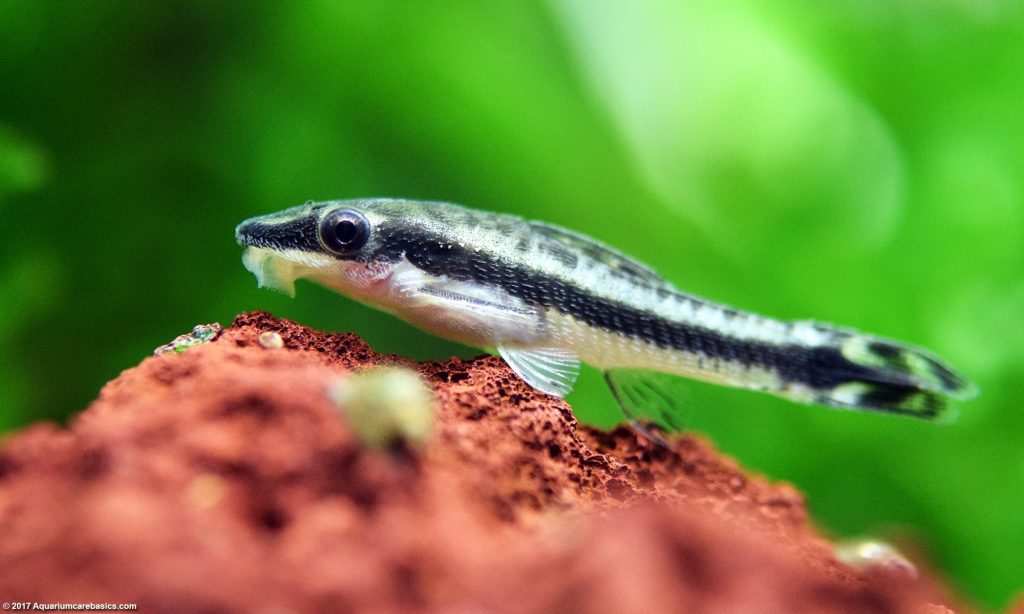
Otocinclus Care Guide (Oto Catfish)

Quick facts (fast overview)

  • Common name: Otocinclus / Oto catfish
  • Scientific name: Otocinclus spp. (commonly sold as Otocinclus vittatus
  • Adult size: about 3.3 cm average, up to 5.5 cm max (for O. vittatus
  • Temperament: peaceful, shy, shoaling (likes groups) 
  • Best for: low-tech or high-tech planted tanks (especially once the tank is mature)

A home aquarium can bring:

  • A calm and relaxing atmosphere
  • Beauty and positive energy in the home
  • A rewarding and fulfilling hobby
  • A chance to learn patience and responsibility
  • A meaningful experience for both children and adults

Where Otocinclus come from (Origins)

Otocinclus are native to South America, and different species come from different river systems. In Fishipedia, Otocinclus vittatus is listed across countries like Argentina, Bolivia, Brazil, Colombia, Paraguay, Peru, and river basins including the Amazon and Paraná/Tocantins systems.


They’re naturally found in areas with plants/roots where they can hide and graze.

Interesting facts (why they’re special)

  • Otos are designed for grazing: they spend their day “polishing” surfaces.
  • Some otos (and their Loricariidae relatives) can gulp air using a special structure linked to the stomach area.
  • They are naturally group fish that live among vegetation mats.

Tank Size & Group Size (minimum number to keep)

Otocinclus are not “one-piece algae cleaners.” They do better in a group.

Absolute minimum (can work if the tank is mature)

  • Minimum group: 2 pcs
  • Tank size: 10–30 litres can be okay only if the tank is already stable, mature, and planted, with visible biofilm/algae for them to graze.

Why the “stable tank” part matters so much:
Otocinclus are often wild-caught, and they can struggle in a new tank that doesn’t have enough natural food (biofilm/algae) yet. That’s why a mature planted tank gives them a much better chance.

Best practice (recommended for success + best behaviour)

    • Best group: 6 pcs (or more)
    • Why 6 is better: They are a shoaling fish. In a proper group, they are less stressed, more active, and usually do better long-term. 

Water parameters (simple safe range)

Most important: clean water + stable water. 

Diet (what they really need)

Fishipedia lists otos as herbivorous, but also notes they can accept dry, fresh, and frozen food and recommends variety to avoid deficiencies. 

In-tank grazing (their “main job”):

  • soft algae + biofilm on glass, decor, and plant leave

Supplement (must do, especially when the tank is “too clean”):

  • algae wafers / spirulina-based foods
  • blanched veg (zucchini/cucumber)
  • occasional small frozen foods can be accepted too (varies by tank)

Otos are great for soft algae and brown diatoms—the kind that coats leaves and surfaces. 

They’re not reliable for tougher problem algae like:

  • hair algae / brush algae types 

Why people love them in planted tanks: they clean plant leaves gently, and it’s honestly relaxing to watch them work

How to tell male vs female (sexing)

Sexing is subtle, but Fishipedia notes (for O. macrospilus) that males are smaller than females (often a few mm difference).
In many tanks, the easiest practical sign is:

  • female = broader body (especially when full of eggs)
  • male = slimmer and slightly smaller

Care tips (the “keep them alive and happy” checklist)

1) Put them in a mature tank

Otos do best when there is already some biofilm/algae for them to graze. This is why they can fail in brand-new setups. 

2) Keep them in a group

Minimum 2 – 6 pcs. 

3) Don’t let them starve

Even if they eat algae, they still need supplement food once the tank becomes clean. (Otos naturally graze constantly.) 

4) Keep oxygen and flow reasonable

They come from areas with slow to medium flow and vegetation/roots. 

Common issues (what they’re prone to)

Otos are often “hardy later, fragile first.”

Most early losses come from:

  • stress + poor water quality after shipping/import 
  • starvation (thin belly, weak grazing) 

They can also catch common community fish illnesses if stressed (example: white spot/ich), so stable water and good feeding is the best prevention.

Tank mates (what mixes well)

Peaceful and generally problem-free in community tanks, but warns it can become easy prey around big fish/crustaceans. 

Great tank mates

  • peaceful tetras/rasboras
  • corydoras
  • small gourami (gentle types)
  • most peaceful community fish

Shrimp-safe?

In most planted tanks, otos are considered shrimp-safe because they’re not hunters and mainly graze. Still, always remember: tiny newborn life in a tank can be unpredictable—so heavy planting helps.

Author POV (why I personally love Otocinclus)

Otocinclus is one of my top picks for both low-tech and high-tech planted tanks.

  • They’re peaceful and mix well with many fish. 
  • They’re one of the best “plant-leaf cleaners” for soft algae/diatoms, and watching them graze is seriously therapeutic
  • When kept in a proper group and fed correctly, they’re a beautiful reminder that nature already designed the perfect little clean-up crew.

Author: Kelvin Phua

Illustrator(s): Rong Sheng

References

https://www.seriouslyfish.com

https://www.fishi-pedia.com/fishes