

Learning Community > Quick And Easy Beginners Guide! > Otocinclus
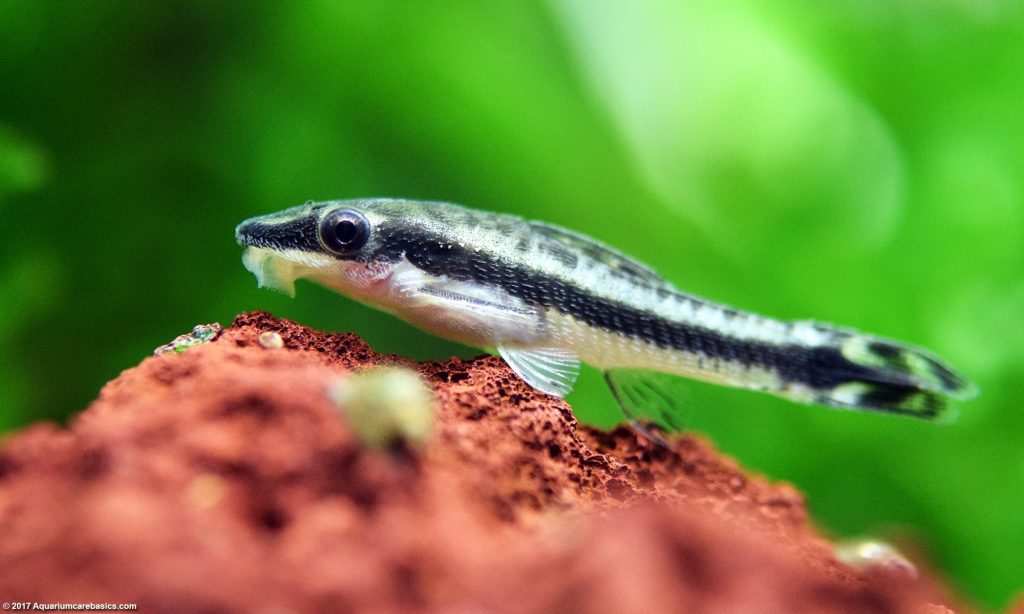
Otocinclus are native to South America, and different species come from different river systems. In Fishipedia, Otocinclus vittatus is listed across countries like Argentina, Bolivia, Brazil, Colombia, Paraguay, Peru, and river basins including the Amazon and Paraná/Tocantins systems.
They’re naturally found in areas with plants/roots where they can hide and graze.
Otocinclus are not “one-piece algae cleaners.” They do better in a group.
Why the “stable tank” part matters so much:
Otocinclus are often wild-caught, and they can struggle in a new tank that doesn’t have enough natural food (biofilm/algae) yet. That’s why a mature planted tank gives them a much better chance.

Most important: clean water + stable water.
Fishipedia lists otos as herbivorous, but also notes they can accept dry, fresh, and frozen food and recommends variety to avoid deficiencies.
Supplement (must do, especially when the tank is “too clean”):
Otos are great for soft algae and brown diatoms—the kind that coats leaves and surfaces.
They’re not reliable for tougher problem algae like:
Why people love them in planted tanks: they clean plant leaves gently, and it’s honestly relaxing to watch them work
Sexing is subtle, but Fishipedia notes (for O. macrospilus) that males are smaller than females (often a few mm difference).
In many tanks, the easiest practical sign is:
Otos do best when there is already some biofilm/algae for them to graze. This is why they can fail in brand-new setups.
Minimum 2 – 6 pcs.
Even if they eat algae, they still need supplement food once the tank becomes clean. (Otos naturally graze constantly.)
They come from areas with slow to medium flow and vegetation/roots.
Otos are often “hardy later, fragile first.”
Most early losses come from:
They can also catch common community fish illnesses if stressed (example: white spot/ich), so stable water and good feeding is the best prevention.
Peaceful and generally problem-free in community tanks, but warns it can become easy prey around big fish/crustaceans.
In most planted tanks, otos are considered shrimp-safe because they’re not hunters and mainly graze. Still, always remember: tiny newborn life in a tank can be unpredictable—so heavy planting helps.
Otocinclus is one of my top picks for both low-tech and high-tech planted tanks.
Author: Kelvin Phua
Illustrator(s): Rong Sheng